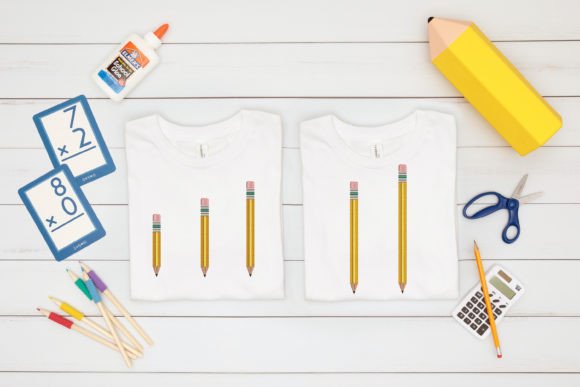
Realistic Jumbo Pencil
A Designer’s First Look: Whimsy with Weight
When I opened the Realistic Jumbo Pencil embroidery file, my first thought wasn’t “cute” — it was “confident.” This isn’t a cartoonish scribble or a flat vector outline. It carries volume, subtle shading in the wood grain, a soft graphite tip, and even a faint eraser sheen — all rendered through thoughtful stitch layering. As a designer who’s stitched hundreds of school-themed motifs for Etsy sellers and boutique clients, I appreciate how rare it is to find a machine embroidery design that feels dimensional without overloading stitch density. It lands squarely in that sweet spot: playful enough for a kindergarten teacher’s tote bag, refined enough for a handmade nursery pillow cover.
Where It Shines — And Why Your Customers Will Notice
I recently prepped a batch of organic cotton canvas tote bags for a local preschool’s back-to-school fundraiser. The Realistic Jumbo Pencil went front-and-center on the right pocket — 4.2" tall, centered just above the seam. On fabric, it held its shape beautifully: the satin stitch wrapped cleanly around the pencil’s barrel, the fill stitch in the graphite tip stayed dense but breathable, and the tiny metallic thread accent (if used) caught light without glinting harshly. Parents paused at the booth — not just because it was “school-themed,” but because it looked *hand-drawn*, not digitized-by-robot. That nuance builds trust. A buyer scanning your Etsy shop or craft fair table doesn’t just see “pencil” — they see care, intention, and a handmade product that stands apart from mass-produced clipart.
Real-World Fit Across Your Product Line
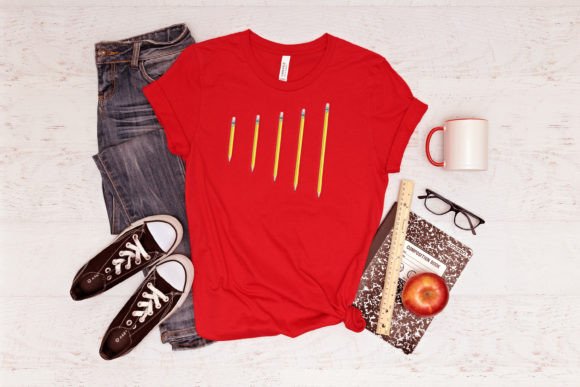
- Custom apparel: Works cleanly on midweight cotton sweatshirts and structured tees — especially when paired with a simple monogram or name below. Avoid placing it directly over side seams or underarm gussets where stretching distorts fine lines.
- Baby embroidery: Ideal for onesies and burp cloths — but skip the eraser highlight thread if stitching for newborns (opt for soft matte cotton threads instead).
- Embroidered patch: Holds up well when stitched out, trimmed, and heat-sealed. The clean outer edge makes it patch-ready without extra digitizing cleanup.
- Kitchen towel & apron design: Stitches crisply on terry cloth towels when paired with medium-cutaway stabilizer. On linen-blend aprons, the wood-grain texture reads as intentional, not pixelated.
- Holiday embroidery: Surprisingly versatile — pair with a tiny red bow or “First Day” banner for back-to-school gifts, or stitch it in gold thread on navy napkins for teacher appreciation week.
Where to Pause — Practical Limits You’ll Feel at the Hoop
This isn’t a one-size-fits-all motif. Its realism comes with gentle constraints. On thin or highly stretchy fabric — like lightweight jersey or ribbed baby knit — the pencil’s tapered tip and subtle grain details can blur unless you use a tear-away + cut-away hybrid stabilizer and reduce top tension slightly. On dark fabric, test your thread colors thoroughly: a warm tan for the wood may disappear against charcoal heather, while a cool beige pops cleanly. And if you’re stitching on curved surfaces — like the front panel of a structured cap — avoid placing the full design across the crown seam. The elongation pulls the graphite tip too thin. Instead, rotate it 15° and center it just above the visor curve.
Design Assets That Earn Their Place
For digital product sellers and craft business owners, the Realistic Jumbo Pencil earns value beyond its visual appeal. It scales predictably — I tested it at 3", 5", and 7" widths, and each version retained legibility and balance. That means one purchase supports multiple product formats: a small version for baby bibs, a medium for tote bags, a large for wall hangings. When building printable mockups for your Etsy listings, render it in both black-and-white and color previews — its strong silhouette reads clearly even in grayscale, which helps buyers visualize it on their own fabrics. Just remember: if you’re selling finished embroidered items commercially, double-check the license terms before listing it as part of a branded collection.
Your Next Steps Before Stitching
Don’t skip these — they’re non-negotiable for professional results:
- Run a test on scrap fabric matching your final project’s weight and texture.
- Check thread color contrast on both light and dark backgrounds — especially in the graphite tip and eraser band.
- Review stitch density: if your machine hesitates or the fabric puckers, consider reducing fill density by 5–8% in the wood section only.
- Confirm hoop size compatibility — this design likely fits comfortably in a 5x7" hoop, but verify before hooping expensive fabric.
- Inspect small details at 200% zoom in your embroidery software: look for stray running stitches near the eraser edge or overly tight satin columns.
- Use proper stabilizer — medium-weight cut-away for stable fabrics, lightweight tear-away + topping for textured weaves like waffle-knit towels.
Final Thought: Charm With Craftsmanship
The Realistic Jumbo Pencil isn’t just another school-themed embroidery file. It’s a quiet demonstration of how thoughtful digitizing elevates a simple idea into something memorable. It works because it respects the material — no over-stitched gimmicks, no fragile micro-details doomed to fray. Whether you’re an Etsy seller building a cohesive back-to-school collection, a small shop owner embroidering personalized gifts, or a designer sourcing reliable design assets for client work, this motif delivers real utility. It invites warmth without sacrificing polish — and in handmade product markets, that balance is everything. Stitch it right, and it won’t just say “school.” It’ll say “I made this with care.”