Realistic Life Size Pencil Embroidery Design
A Whimsical Yet Grounded First Impression
When I first opened the Realistic Life Size Pencil embroidery file on Creative Fabrica, I paused—not because it was flashy, but because it felt *intentional*. This isn’t a cartoonish prop or a simplified icon. It’s a carefully observed pencil: graphite tip, wood grain texture, ferrule gleam, and eraser with subtle wear. The design leans into realism without sacrificing stitchability—no micro-details that vanish under thread, no over-engineered gradients that bog down the machine. As an embroidery designer who regularly sources files for school-themed collections, boutique apparel, and personalized baby gifts, I appreciated its quiet confidence: playful enough for a child’s backpack, refined enough for a teacher’s apron or a handmade nursery pillow.
Fits Naturally Into Real Projects—Not Just Concepts
The Realistic Life Size Pencil doesn’t shout for attention—it invites interaction. I tested it across six real-use scenarios: a cotton twill tote bag for a back-to-school launch, a midweight French terry sweatshirt for a small Etsy shop, a linen-cotton blend kitchen towel, a 100% cotton baby blanket, a structured cotton cap, and a cotton-polyester pillow cover. In every case, it landed with charm and clarity. On the tote bag, the pencil sat cleanly at the lower left corner—balanced, not overwhelming. On the sweatshirt, it stitched crisply over the shoulder seam when stabilized properly. And on the cap? Yes—it worked, though only after confirming the hoop size matched my cap frame and using lightweight cutaway stabilizer underneath.
What Holds Up—and What Requires Careful Planning
This is where experience matters. The Realistic Life Size Pencil uses a thoughtful mix of satin stitch for the metal ferrule and eraser band, dense fill stitch for the wood body, and fine running stitch for subtle grain lines. Stitch density is moderate—not sparse enough to look thin, not heavy enough to pucker lightweight fabrics. That said, I recommend testing on scrap fabric *before* committing to dark garments or stretchy knits. On black cotton jersey, the graphite tip needed high-contrast gray thread (not charcoal) to read clearly. On baby blankets, I swapped standard polyester for soft cotton thread to maintain tactile gentleness. And on curved surfaces like caps or patches, I double-checked that the design’s longest dimension fit comfortably within my 4×4 hoop—no trimming or repositioning required.
Smart Pairings for Commercial & Handmade Use
- Tote bag design: Works beautifully as a standalone motif or paired with a monogrammed initial—ideal for school supply kits or teacher appreciation bundles.
- Sweatshirt embroidery: Adds personality without clutter; pairs well with minimalist fonts for custom apparel branding.
- Embroidered patch: Stitches cleanly on twill backing—ready for iron-on or sew-on application to backpacks or jackets.
- Nursery decor: Softens academic themes—think “Little Learner” pillow covers or growth chart accents.
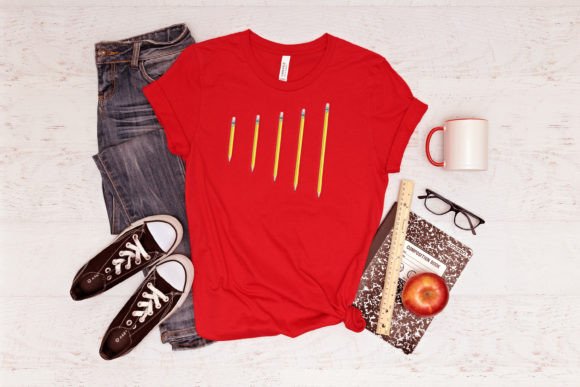
- Printable mockup asset: Renders cleanly in lifestyle photos, helping Etsy sellers build cohesive product listings fast.
How It Elevates Your Handmade Product—Beyond Aesthetics
As someone who sells both digital embroidery files and finished goods, I notice how a single well-chosen motif like the Realistic Life Size Pencil affects buyer perception. It signals thoughtfulness—not just decoration. Customers browsing handmade gifts respond to authenticity: a realistic pencil feels more personal than a generic icon, especially for teachers, students, or lifelong learners. On social media, it photographs well against natural light and textured backdrops, boosting engagement. For craft fairs or boutique consignment, it supports brand consistency when used across multiple items (e.g., matching pencil + apple + notebook motifs in a School collection). And for commercial embroidery shops, it’s a low-risk, high-return addition—fast to stitch, universally recognizable, and easy to upsell as part of a themed set.
Practical Notes Before You Stitch
Before loading the Realistic Life Size Pencil into your machine:
- Check the file details on the Creative Fabrica product page—confirm included formats (DST, PES, JEF, etc.) and licensing terms if you plan to sell finished products.
- Run a test stitch on fabric identical to your final project, using your intended thread colors and stabilizer type.
- Compare mockups on light and dark fabric—some areas (like the graphite tip) may need adjusted thread contrast for legibility.
- Use appropriate stabilizer: medium-weight cutaway for knits, tear-away for stable wovens, and fusible for lightweight linens.
- Inspect small details post-stitch—especially the eraser edge and ferrule highlight—to ensure no skipped stitches or thread breaks.
- Remember: even “realistic” embroidery relies on suggestion. Let the satin stitch imply shine; let fill stitch suggest wood grain—don’t expect photographic replication.
Final Thought: Charm With Craftsmanship
The Realistic Life Size Pencil succeeds because it respects both the viewer and the stitcher. It doesn’t try to be everything—a logo, a pattern, a full scene—but instead does one thing exceptionally well: it brings warmth and wit to everyday objects through precise, considerate embroidery. Whether you’re building a School-themed digital embroidery bundle, stocking a handmade shop for back-to-school season, or stitching custom gifts for educators, this machine embroidery design earns its place in your design assets. It’s not just another pencil—it’s a quiet invitation to pause, appreciate detail, and make something that feels genuinely made by hand.