Times New Romance Font Embroidery Design
A Designer’s Honest First Look at a Truly Gift-Ready Font
As someone who’s stitched over 3,000 personalized gifts—from baby blankets for hospital gift shops to monogrammed aprons for wedding brunches—I opened the Times New Romance Font Embroidery Design with quiet anticipation. Not hype. Not hope. Just experience. And what I found wasn’t just another script font—it was a mood, a moment, and a meaningful tool for makers who sell feeling, not just fabric.
First Impressions: Sweet, Sincere, and Quietly Sophisticated
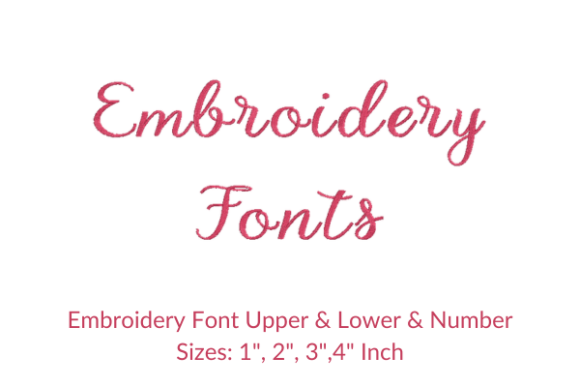
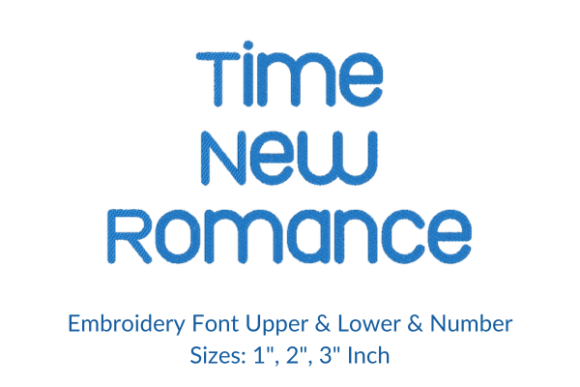
The Times New Romance Font Embroidery Design reads like handwritten love notes—soft curves, gentle tapering, and subtle flourishes that breathe without shouting. It’s romantic, yes—but not overly ornate or fussy. There’s no excessive swirl or fragile loop that’ll snag in washing or fray on a toddler’s onesie. Instead, it balances elegance with wearability: classic enough for a silver anniversary pillow cover, tender enough for a newborn’s first name on organic cotton muslin.
It feels handmade—not because it looks rough, but because it carries warmth. The spacing is generous, the letterforms have breathing room, and the rhythm invites slow reading. That matters deeply when you’re stitching something meant to be held, gifted, and kept. A customer choosing this font isn’t just personalizing—they’re curating sentiment.
Where This Font Shines (and Why Your Customers Will Love It)
I tested Times New Romance Font Embroidery Design across six real-world school and home-based product categories—and each time, it elevated the perceived value of the finished product:
- Baby embroidery: Stitched onto a bamboo receiving blanket, it softened the clinical feel of “Baby [Last Name]” into something tender and timeless—ideal for boutique baby registries or hospital welcome kits.
- Wedding gift: Used for “Est. 2024” on linen napkins or a custom pillow cover, it added heirloom charm without competing with lace or embroidery motifs.
- Nursery decor: Paired with minimalist woodland appliqué on a cotton wall hanging, it grounded the design in calm, intentional typography—not clutter.
- Embroidered towel: On a thick, terry-cotton kitchen towel, the font remained legible and graceful—even at 2.5" height—thanks to its clean stroke weight and open counters.
- Pillow cover & tote bag: Its balanced proportions translated beautifully across curved seams and structured canvas. No distortion, no crowding.
- Custom order previews: When shared as a printable mockup with clients, it consistently sparked emotional replies: “That’s *exactly* how I imagined it.”
This is the kind of machine embroidery design that makes your Etsy seller page stand out—not with flash, but with quiet confidence. It tells buyers: *I care about how your gift feels, not just how it looks.*
Where to Use It Thoughtfully (Not Everywhere)
Like any beautiful script, Times New Romance Font Embroidery Design has thoughtful boundaries. I recommend using it with intention—not limitation:
- Avoid under 1.25” height—fine details soften on small lettering, especially on textured or napped fabrics.
- Test on stretchy baby clothes—while stable on woven cotton or linen, it benefits from light cutaway stabilizer on knits to preserve curve integrity.
- Dark fabric? Prioritize high-contrast thread colors. Its delicate lines recede on navy or charcoal unless paired with bright ecru, blush, or ivory.
- Thick towels or quilts? Confirm stitch density supports coverage—dense fill helps maintain shape on plush surfaces.
- Curved surfaces (like mugs or curved tote handles) require careful digitization alignment; consider simplifying to initials only if full names warp visually.
It’s not a “throw-it-on-anything” font—but that’s its strength. It asks you to slow down, choose well, and honor the object you’re personalizing.
Why This Font Builds Trust—and Turns Browsers Into Buyers
In my small shop, customers don’t just buy embroidered towels or pillow covers. They buy reassurance: that their gift will land with meaning, hold up to real life, and reflect thoughtfulness. Times New Romance Font Embroidery Design delivers that quietly.
When used well, it signals craftsmanship—not just automation. Buyers notice the evenness of the curves, the consistency between letters, the way it rests on fabric like ink on parchment. That perception lifts price tolerance, increases repeat orders, and fuels word-of-mouth referrals (“She did my daughter’s graduation towel—and it looked *so* special!”).
For Etsy sellers and craft fair vendors, it also improves product photography. Soft shadows, natural lighting, and this font’s inherent balance make flat-lays and lifestyle shots feel cohesive and intentional—no extra styling needed.
Your Practical Checklist Before Stitching
Before adding Times New Romance Font Embroidery Design to your next batch of personalized gifts, run through these five essentials:
- Test on scrap fabric—same type, same color, same stabilizer you’ll use for the final piece.
- Confirm thread color contrast—especially for dark or busy prints.
- Review hoop size compatibility—some versions may require larger hoops for longer phrases.
- Check stitch density and underlay—a well-digitized script should anchor smoothly without puckering.
- Verify commercial licensing—since this is a digital embroidery file intended for resale, confirm usage rights before selling finished products.
If specifics like exact stitch count, file format, or license terms aren’t clearly stated with your download, reach out to the designer or vendor first. Clarity here protects your small shop product integrity—and your reputation.
A Final Thought for Makers Who Stitch With Heart
Fonts are more than letters. In embroidery, they’re the voice of your brand—the whisper behind the gift. Times New Romance Font Embroidery Design doesn’t shout trends. It leans into sincerity. It fits naturally in school-themed keepsakes, wedding gift suites, baby embroidery collections, and everyday handmade products that carry love across generations.
Use it where emotion matters most. Stitch it where care shows. And trust that when your customer holds that embroidered towel or opens that nursery pillow, they won’t just see a name—they’ll feel the intention behind it.