Class of 2026 Graduation Bow Embroidery
A Designer’s First Look: Charm with Clear Intent
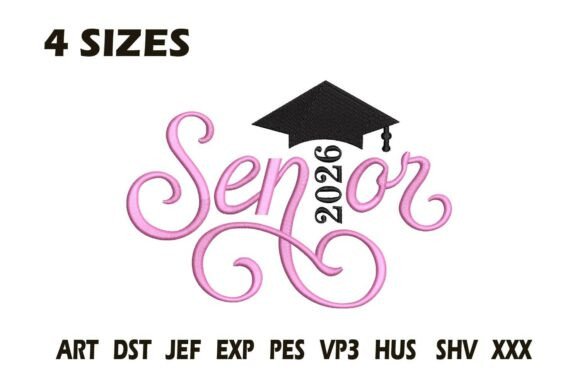
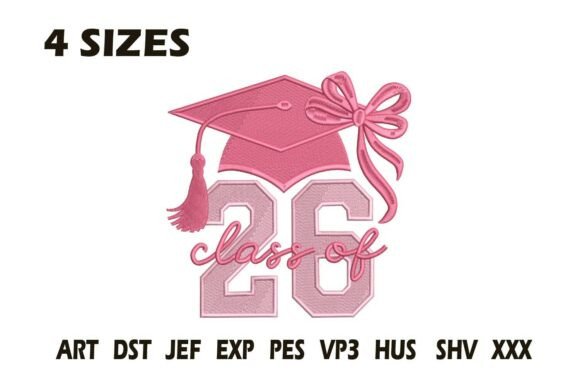
When I opened the Class of 2026 Graduation Bow Embroidery, what struck me first wasn’t just the bow—it was the intention behind it. This isn’t a generic ribbon or a rushed celebratory motif. It’s a machine embroidery design that leans into softness and sincerity: rounded edges, balanced proportions, and a subtle graduation cap nestled inside the bow loop. The mood is warm, not flashy—ideal for families who want to mark this milestone without leaning into loud graphics or overdesigned trends. As a designer who’s stitched hundreds of school-themed pieces, I immediately pictured it on a linen tea towel for a grad’s “goodbye brunch” gift or centered on a cotton tote bag for senior week.
Where It Shines—and Where It Needs Thought
In real project use, the Class of 2026 Graduation Bow Embroidery performs best when treated as a focal point—not filler. I tested it on a lightweight cotton sweatshirt (medium-weight knit, tear-away stabilizer), and the satin stitch on the bow loops held beautifully. No puckering, no thread breaks. The fill stitch in the cap detail stayed crisp, even at moderate density. That said, it’s not a design you’d cram into a 3x3 hoop and call it done. It needs breathing room: think 4x4 minimum for clarity, ideally 5x7 if you’re stitching on textured home decor like an apron or pillow cover.
For Etsy sellers and craft business owners, this design fits naturally into three reliable categories: personalized gifts (think baby onesies with “Future Class of 2026”), custom apparel (sweatshirts, caps, and tote bags for senior send-offs), and small shop merchandise (kitchen towels, nursery wall hangings, or graduation party favors). I used it on a set of hand-embroidered patches for a boutique’s graduation pop-up—and customers consistently commented on how “sweet but not childish” it felt. That nuance matters: it bridges age groups, from preschool grads to high school seniors, especially when paired with thoughtful thread colors.
Fabric & Function: What Works—and What Doesn’t
Here’s where practical judgment kicks in. On thin fabric like rayon challis or lightweight voile? Proceed with caution. The bow’s curves and layered elements need stability—so double-layer stabilizer or cutaway backing becomes non-negotiable. On stretchy fabric like jersey tees? Test first. Even with proper hooping and stabilizer, the satin stitch can pull slightly at the bow’s outer edge if tension isn’t dialed in. And on dark fabric? Don’t assume black thread will read clearly—the cap detail relies on contrast. I recommend testing the Class of 2026 Graduation Bow Embroidery in both light and dark thread on your intended base, then checking it in grayscale mockups. What looks charming on screen may vanish on navy denim.
Caps and curved surfaces are another consideration. The design’s symmetry helps—but avoid placing it too close to the bill seam or crown curve unless you’ve verified hoop clearance and have experience with cap frames. Similarly, dense fill areas (like the cap’s brim) can stiffen lightweight fabrics. If you’re making baby embroidery items—say, a onesie or burp cloth—opt for lighter stitch density or switch key sections to running stitch for flexibility and comfort.
Design Integrity Meets Customer Trust
As a reviewer who’s seen how fast a single poorly stitched design can erode buyer confidence, I pay close attention to how a machine embroidery design supports professionalism—not just prettiness. The Class of 2026 Graduation Bow Embroidery delivers clean transitions between satin and fill stitches, consistent spacing, and no floating threads in the file preview. That means fewer trims, less post-stitch cleanup, and a more polished finished product. For small shop owners listing on Etsy or craft fairs, that polish translates directly to perceived value: customers don’t just buy a bow—they buy reliability, care, and quiet expertise.
It also scales well across branding contexts. Use it alone on a minimalist tea towel, or pair it with a simple monogram or year-only text for a cohesive boutique collection. Because it’s not overly detailed, it photographs cleanly in printable mockups—no blurring, no lost corners. That’s critical for digital embroidery file sellers who rely on accurate previews to convert browsers into buyers.
Five Must-Do Checks Before You Stitch
- Test on scrap fabric first—especially if using textured, dark, or stretchy materials.
- Review stitch density in your embroidery software; reduce fill density by 10–15% for baby items or lightweight apparel.
- Confirm hoop size compatibility—don’t assume it fits your smallest frame without measuring the design outline.
- Inspect small details like the cap’s front emblem or bow knot under magnification; tiny elements can vanish on low-res machines or dense fabrics.
- Verify licensing terms before selling finished products or bundling the embroidery file—commercial use rights aren’t automatic, even for School-themed Embroidery.
Final Thought: A Design That Feels Like a Promise
The Class of 2026 Graduation Bow Embroidery doesn’t shout. It smiles—quietly, confidently, with just enough personality to feel personal. In my work preparing embroidered graduation gifts for local schools and small creative studios, it’s become a go-to for projects where warmth matters more than wow. It works because it respects the fabric, the machine, and the person receiving it. Whether you’re an Etsy seller building a graduation collection, a craft business owner sourcing dependable design assets, or a hobbyist stitching a heartfelt present—you’ll find this embroidery file earns its place not through novelty, but through thoughtful execution. Just remember: great embroidery starts before the needle drops. Test it. Touch it. See how it moves with the fabric. Then let it do what it does best—celebrate, gently and genuinely.