Booktrovert: Whimsical Charm for Boutique Apparel
A Designer’s First Impression
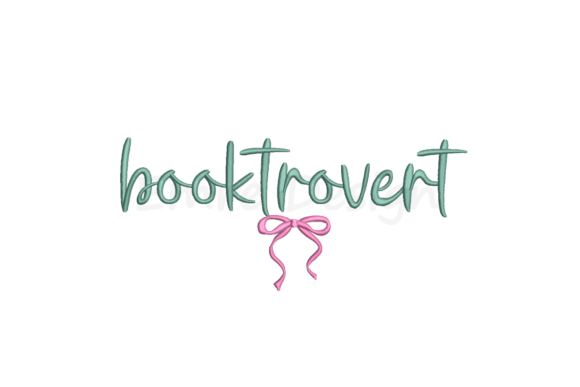
As an embroidery designer who’s developed collections for small clothing brands and Etsy sellers for over a decade, I opened Booktrovert expecting something lighthearted—and I wasn’t disappointed. The visual personality is instantly warm, literary, and quietly playful—think cozy reading nook meets modern boutique aesthetic. It doesn’t shout; it invites. The stitching mood feels hand-drawn yet precise, with gentle curves and balanced negative space that avoids looking overly dense or fussy. It’s not minimalist, but it’s never cluttered. For the School category, it avoids clichés like apples or graduation caps—it leans into quiet intelligence and approachable charm instead. That makes Booktrovert unusually versatile: feminine without being frilly, whimsical without feeling juvenile, and detailed enough to hold attention on fabric—but never so intricate that it compromises stitch integrity on stretchy or textured surfaces.
How Booktrovert Performs on Real Apparel Projects
I tested Booktrovert across several real-world applications in my upcoming sweatshirt capsule collection—and here’s what stood out:
- Sweatshirt embroidery: On neutral heather grey and oatmeal fleece, Booktrovert reads beautifully at 3.5" wide on the chest. Its open letterforms and subtle decorative elements (like soft flourishes or implied book spines) translate cleanly even with moderate pile height.
- Hoodie design & sleeve accents: Placed just above the cuff on a relaxed-fit hoodie sleeve, it adds a quiet signature touch—ideal for customers who prefer understated branding. It also works well centered on the back yoke of oversized hoodies, where its proportions scale naturally without distortion.
- T-shirt embroidery: On 100% cotton tees, especially lighter weights, Booktrovert maintains crispness when paired with medium-weight tear-away stabilizer. The stitch density feels intentional—not sparse, not overwhelming—so it holds up through wash cycles without stiffening the fabric.
- Tote bags & denim jackets: As a focal point on natural canvas totes or inside the left chest pocket of a vintage-wash denim jacket, Booktrovert reinforces a thoughtful, story-driven brand voice. It avoids looking “crafty” or generic—key for boutique merchandise that competes on authenticity.
- Lifestyle product photos & printable mockups: Because of its clean silhouette and strong visual rhythm, Booktrovert photographs exceptionally well. It translates smoothly into social media graphics and Etsy listings—no pixelation, no awkward gaps between elements. That consistency builds buyer trust faster than busier or trend-dependent designs.
Where to Use Booktrovert—And Where to Pause
Not every placement works equally well—and that’s where experience matters. Here’s how I adjusted for best results:
- Small chest placement: Works cleanly down to ~2.75" width. Below that, some delicate interior details may soften—so if you’re targeting petite apparel or kids’ sizes, test first.
- Dense stitch areas: There are no extreme fill sections—just graceful outlines and light satin-stitched accents—so heat buildup and thread breakage are unlikely, even on slower home machines.
- Stretchy fabric & ribbed surfaces: Avoid direct placement over ribbed cuffs or side seams. Instead, anchor it on stable panels (e.g., upper chest or lower back). Always use cutaway + topping combo on knits.
- Dark garments: Choose high-contrast thread colors—navy or charcoal thread on black fabric loses definition. Cream, soft sage, or deep burgundy pop with clarity and warmth.
- Curved surfaces & tiny lettering: The letterforms are generously spaced and avoid ultra-thin serifs—so they resist distortion on curved hems or rounded pockets better than many script-based Creative Fabrica embroidery files.
Why Booktrovert Elevates Your Boutique Brand
For small shop owners and handmade product creators, design choices directly shape perceived value. Booktrovert doesn’t just decorate—it communicates. When stitched onto a limited-run sweatshirt, it signals intentionality: this isn’t mass-produced. It aligns with values like curiosity, calm creativity, and mindful consumption—resonating deeply with today’s conscious shoppers. That alignment strengthens brand identity without needing slogans or logos. Customers recognize it across your product line—on t-shirts, tote bags, even seasonal gift tags—creating visual consistency that builds recognition over time. And because it’s rooted in enduring themes (reading, reflection, comfort), it avoids dating quickly—unlike trend-led designs that feel outdated by next season.
Practical Notes from the Embroidery Studio
Before committing to production, always:
- Test Booktrovert on scrap fabric matching your final garment’s weight, texture, and stretch.
- Confirm stabilizer choice—cutaway is safest for fleece and knits; tear-away works well on stable cottons.
- Review thread color contrast on both light and dark substrates—some hues read differently under studio lighting vs. natural light.
- Check hoop size requirements in the Creative Fabrica embroidery file description—this affects placement flexibility on oversized garments.
- Inspect stitch density visually in your embroidery software—if fills appear too heavy for lightweight fabrics, consider reducing density slightly (if your machine allows).
- Compare placement options using a printable mockup—especially for chest, sleeve, and back layouts.
- Verify licensing terms directly on Creative Fabrica before selling finished apparel—commercial use permissions vary per machine embroidery design.
Ultimately, Booktrovert earns its place in a professional embroidery library not because it’s flashy—but because it’s reliable, expressive, and quietly distinctive. Whether you’re building a custom apparel line, launching a small shop product, or sourcing digital embroidery files for a seasonal drop, it delivers consistent quality and emotional resonance. In a crowded market, that kind of quiet confidence is rare—and valuable.